Restaurant customer retention: why do guests come back, or not?
18 October 2026 · 5 min read
Restaurant customer retention takes more than a smile. Learn why guests drive out of their way for you, and what to do with the moment after they say goodbye.
Ask almost any owner about restaurant customer retention and the first answer is friendly service. Yet on a Saturday night your dining room is full of people who just happened to be nearby, and you only see those same people again when they happen to be nearby again. A smile keeps guests, but it doesn't get them into the car.
Owners running one to three locations usually spot this pattern only after a few seasons. The reviews are fine, the staff are friendly, the plates go out on time. And still the core of regulars isn't growing. Revenue depends on foot traffic, on the weather and on who happens to park on your street that week. It feels like a good restaurant, but it works like a convenience choice: people come because you're there, not because they specifically chose you.
The standard response is to invest in service. Another training session, a welcome line for the floor team, a card with the bill. All useful, but it's hygiene. Guests simply expect a warm welcome and a good plate of food. If you build your retention on that, you're competing with every place within a five-minute walk doing exactly the same. Friendliness is the price of entry, and nobody picks a restaurant because the price of entry has been paid.
There's something else going on. Many owners don't even know which moment of the visit stuck with the guest. They only hear about it when something goes wrong, and often only on Google, three days later and in full public view. So the real conversation about why someone comes back never happens. That's the problem: you're steering on service, while the guest is deciding on something else.
Four moments, and one reason to make the trip
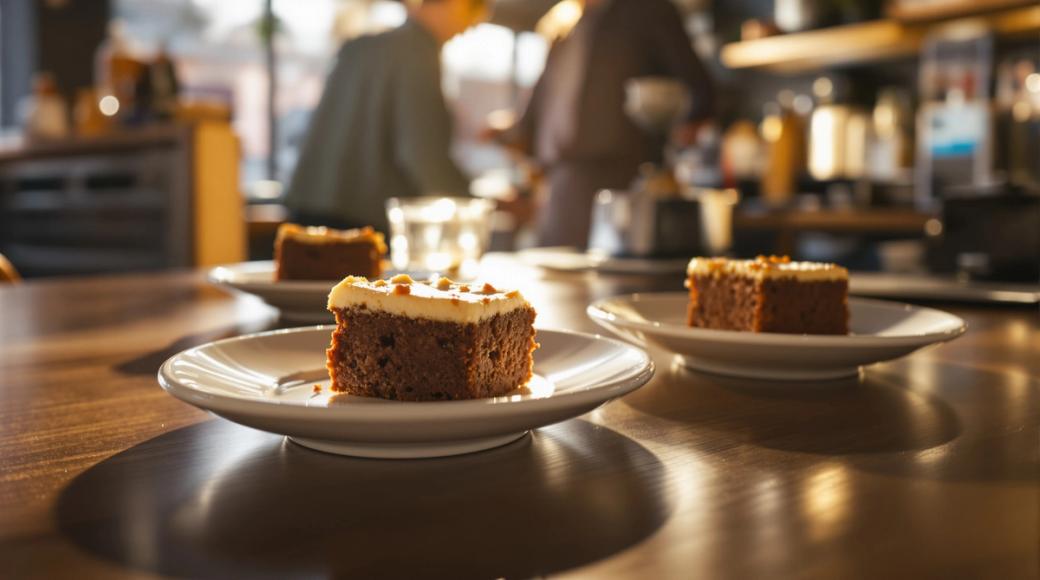
Break a guest's experience down and you'll find four moments that decide whether someone comes back. The first smile and the welcome. A surprise during the visit they didn't see coming: an unexpected conversation, a bite of brownie next to the coffee, or a way of preparing a dish they'd never seen before. The goodbye, because a guest who walks out without a proper farewell is left unsure what they actually thought of the evening. And fourth, what's on the plate.
The first three moments bring local guests back. The fourth decides whether someone from outside the neighbourhood gets on the bike, into the car or onto the train. For that, there has to be something on the table they can't get anywhere else. It doesn't need to be a whole concept. A sauce can be enough, as long as the guest feels they can only find it at your place.
What sets you apart is the combination: generic food with good service gets you guests who come back when they're in the area anyway, and that's it. A restaurant with a clear reason on the plate and a strong beginning, middle and end to the visit draws people who come specifically for it. That's the difference between convenience and a destination.
Where customer retention usually leaks
Of the four moments, the goodbye is the one most often forgotten. On a busy Friday between eight and ten, the guest pays a server who's already busy with the next table. The food was good, the surprise landed, and still they walk out without anyone closing the evening. That last moment shapes how they talk about it. A strong goodbye turns a good evening into one they tell people about. A sloppy goodbye turns it into one they forget.
The goodbye continues after the door
Here's the counterintuitive part: the goodbye doesn't stop at the door. The moment a guest picks up their phone a few hours later is still part of the visit. A personal message at the right time, asking how it was, works like a second farewell. Guests who were happy leave a review that convinces new guests from outside the area. Guests who missed something can say so privately instead of on Google.
What you can automate
The smile and the surprise at the table are human work, and they should stay that way. The extended goodbye doesn't have to be. A restaurant with five locations can't possibly thank every guest by hand, answer every review personally and catch every complaint before it goes public. That's exactly where groups between their first and tenth location stall: the floor team is too busy and the owner is behind the pass or stuck in a meeting.
That's where AI agents take over the work. They ask for a review at the right moment by email, text or WhatsApp, catch negative experiences privately and post replies on Google, TripAdvisor, Booking and Facebook. They also keep your Google Business Profile up to date with posts about that one sauce or that signature dish. That way people outside your neighbourhood see exactly why they should come, while your team stays focused on the guest at the table.
Good restaurant customer retention starts with a plate guests can't get anywhere else and a visit with a clear beginning, a surprise and a real goodbye. Service keeps the neighbourhood coming, your signature draws everyone else. AfterTheTable makes sure the goodbye carries on after the guest has gone home: asking for reviews, catching complaints privately, posting replies and keeping your Google profile current, without your team spending a single extra minute on it.
Topic:Guests
Video transcript
such an open door that everybody says it is, because, um, it's the first smile and the first welcome, and that you are welcomed. It's the surprise to have during your stay, any bit of a surprise. Can be a talk where you don't expect it, can be whatever, let's say, a, a side of a brownie next to your coffee which you didn't expect, which can be the way that your food is prepared.
So you, I think you need to have something that basically triggers the mind that goes like, okay, hey, this was, this was different. And then it's the, the way that you say goodbye, because if you, because if you leave without a proper goodbye, then you, you'll walk out and you still go like, okay, I didn't know what to expect, and whatever. And that the, and it's hygiene what needs to be on the plate, but it needs to be...
If you, if you're looking into, okay, so why would people come back? People will always come back for a smile, but, uh, if they need to come back for a smile, then they need to be in the area. If you want them to get on the bike or in the car or on a plane or in a train to visit you, then it needs to be something special on the table as well.
Something that they feel they cannot have at another location. And that can be because they, it's a really, it can be a sauce, it can be whatever, but it's... I think that that is really, for us, still the, the USP should be in the combination, because if it's just, if you have generic food and service, then people will still come back to you whenever they are around, but they won't step in the car, come up and have an average whatever dish they can have anywhere else.