Restaurant staff turnover often comes down to complexity: too many elements per plate, too many tasks beyond the pass. Here's how to cut the dead weight.
When restaurant staff turnover starts to bite, most owners look for the cause in pay or scheduling. Syrco Bakker found it on the plate. He describes how he used to put 25 elements on a single dish, and pommes soufflées for 100 guests every night, mostly to show what he could do.
Sound familiar? By four o'clock your brigade is already playing catch-up, because every dish has a long list of components that all need to be fresh. Someone who has been on the line for two years knows the menu by heart but has no room left to actually cook. They just execute. That is exactly the kind of work a good cook stops putting up with after a season or two.
The tricky part is that all this complexity feels like quality. Bakker himself calls it insecurity: you want to prove you can do it. After thirteen years at Pure C he grew more mature and more confident, and started looking for simplicity. That shift has little to do with taste. It has everything to do with what you ask of your people, night after night.
Simplicity is a staffing decision
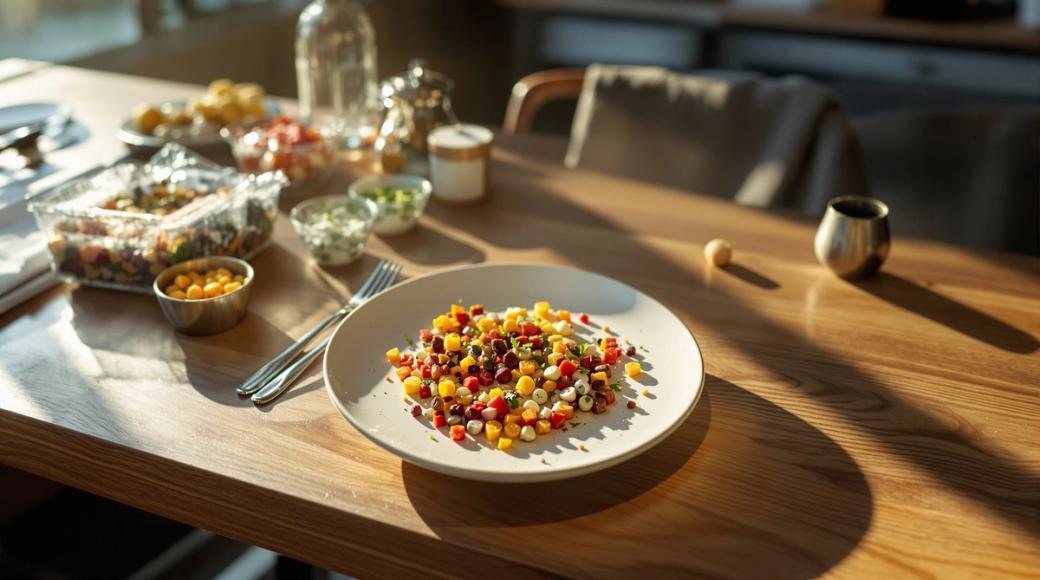
At Syrco BASÈ, now two years old, the direction is clear: product-driven and recognizable. The product takes center stage, with the best preparation and an Indonesian influence worked in. That means fewer steps per plate and more attention per step. A cook who has to do three things perfectly will last longer than one who has to tick off 25.
What many restaurant owners think: more hands will fix it. What actually works: fewer tasks per pair of hands. Every element, every mise en place step and every bit of admin you cut gives your team a little breathing room back. If you want to keep your staff, strip out the dead weight before you start hiring.
The three layers where dead weight builds up
In restaurants with one to ten locations, we see the dead weight pile up in the same three layers every time. The first is the plate: components that are there to impress and that guests won't miss once they're gone. The second is service: tableside rituals that have mostly become routine. The third is the least visible, and it eats up the most: the work after service.
The work after closing time
Replying to reviews, asking guests to leave a rating, keeping a Google Business Profile up to date, keeping the website current. In a lot of places the owner or chef handles this at eleven at night, or a host squeezes it in between shifts. It's exactly the kind of task with 25 elements: lots of small steps that all have to be right, and that nobody enjoys.
Cutting without the guest noticing
Bakker's test works here too. Is it recognizable, and does it give the product a stage? A fast, personal reply to a review does that. Whether your chef typed that sentence personally makes no difference to the guest. That's why we build AI agents that reply to reviews automatically, ask for reviews at the right moment and keep your Google profile up to date. Your team stays focused on the plate, and the layer around it just keeps running.
A restaurant rarely loses staff because of one bad night. It goes wrong through a thousand small tasks that pile up. The chefs who last have learned to cut: on the plate, in service and in the work that comes after. Start with the layer your guests never see. AfterTheTable automates reviews, Google posts and your website, so your people can get back to cooking instead of doing admin.
Topic:Team
Video transcript
Like, you can just see in the kitchen that you are so insecure and you want to show off, and you want to put, like, uh, 25 elements on the dish to showcase, like, hey, you see what I can do? And I can put 5 pommes soufflées for 100 people every evening on a dish, you know. I'm, I'm skilled to do that, uh, you know.
That was... and, and then during these years, these 13 years at Pure C, uh, I became more mature and more confident, and we were looking more for simplicity in a way. And now I think it's very...
well, we still like... we've been open 2 years with Syrco BASÈ, and there we're also, like, well, finding our way. At the beginning, we did, like, Indonesian dishes, flavors that we wanted to, like, deconstruct or elevate in a way.
But now it's still... I think now it's very much product-driven, it has to be recognizable. Um, we want to really give a stage to the product.
And so do the best preparation and put some Indonesian influences in there, with the techniques and the signature and everything I know from the past years.